
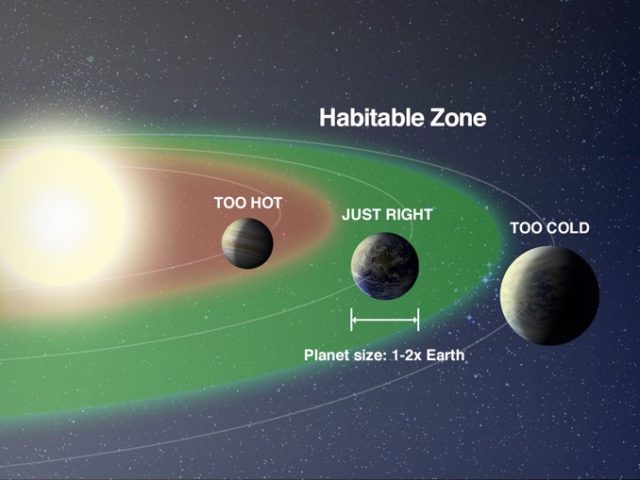
NASA has discovered several exoplanets (planets outside our solar system), but one stands out as especially fascinating. Scientists using the Kepler Space Telescope and TESS (Transiting Exoplanet Survey Satellite) found a planet named Kepler-452b, often called “Earth’s cousin.”
What makes it so exciting?
It’s in the habitable zone – this means it’s at the perfect distance from its star where liquid water could exist, a key ingredient for life.
It’s slightly larger than Earth – which might mean it has a thicker atmosphere, potentially supporting life differently than our planet.
It’s 1,400 light-years away – while we can’t travel there yet, it shows that Earth-like planets could be more common than we think.
This discovery excites scientists and the young generation alike because it raises questions like: Could there be life out there? Could humans one day explore another Earth?
NASA keeps finding more Earth-like planets, making the search for life in the universe more real than ever. Imagine a future where space travel could let humans visit a distant planet like Kepler-452b—what seems like science fiction today could be reality in a few decades.